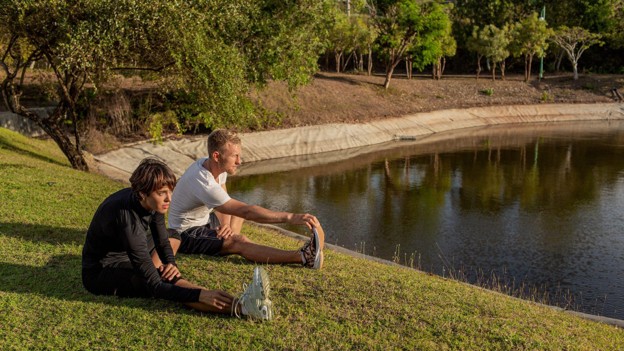
Finding time to step outside each day can have a meaningful impact on overall well-being, and Orlin Damianov recognizes that spending time outdoors is one of the simplest ways to build healthier daily habits. Whether it’s taking a morning walk, exploring a local park, hiking a nearby trail, or simply enjoying fresh air during a break, outdoor activities encourage both physical movement and mental refreshment. Unlike routines that feel restrictive, time spent outside often feels enjoyable, making it easier to maintain healthy habits over the long term.
Nature provides an environment where people can disconnect from daily distractions, recharge their energy, and develop routines that support a more balanced lifestyle.
Fresh Air Encourages Daily Movement
One of the greatest benefits of spending time outdoors is that it naturally promotes physical activity.
Outdoor routines may include:
- Walking through neighborhood streets
- Hiking local trails
- Cycling scenic routes
- Visiting parks
- Gardening at home
These activities make exercise feel less like a chore and more like an enjoyable part of the day.
Consistent movement contributes to improved energy while supporting overall physical wellness.
Nature Helps Reduce Everyday Stress
Modern schedules often leave little time to slow down.
Spending time outdoors offers opportunities to
- Enjoy quiet surroundings
- Appreciate natural scenery
- Take a break from technology
- Practice mindfulness
- Recharge mentally
Even short periods outside can create a welcome change of pace that helps people return to their responsibilities feeling more refreshed and focused.
Developing this habit regularly can improve overall quality of life.
Outdoor Activities Fit Any Lifestyle
Healthy outdoor routines do not require expensive equipment or extensive planning.
Simple ways to enjoy more time outside include:
- Taking evening walks
- Eating lunch outdoors
- Exploring local green spaces
- Visiting community gardens
- Watching the sunrise or sunset
These small adjustments can become enjoyable daily traditions that encourage consistency without disrupting busy schedules.
The goal is simply to make outdoor time a regular part of everyday life.
Exploring New Places Keeps Routines Interesting
Doing the same activity in different locations helps prevent routines from becoming repetitive.
People can explore:
- Regional parks
- Nature preserves
- Scenic walking trails
- Lakeside paths
- Historic outdoor attractions
Changing locations adds variety while encouraging curiosity about places that may exist close to home.
Every new destination offers a slightly different experience and keeps outdoor activities engaging.
Time Outdoors Encourages Better Focus
Taking regular breaks outside can improve concentration throughout the day.
Stepping away from screens allows people to:
- Clear their thoughts
- Refocus attention
- Return to tasks with fresh perspective
- Reduce mental fatigue
- Improve productivity
Rather than viewing outdoor time as a distraction, many people discover it actually supports greater efficiency once work resumes.
Short outdoor breaks often provide long-lasting benefits.
Outdoor Activities Bring People Together
Nature provides an excellent setting for spending quality time with family and friends.
Shared outdoor experiences might include:
- Weekend hikes
- Community events
- Family picnics
- Walking groups
- Local festivals
These activities encourage meaningful conversations while creating memories that are difficult to replicate indoors.
The relaxed environment often makes it easier for people to connect without everyday distractions.
Every Season Offers New Opportunities
Outdoor recreation is not limited to a single time of year.
Each season presents unique experiences, such as:
- Spring wildflower walks
- Summer park visits
- Autumn foliage drives
- Winter nature photography
- Seasonal community events
Embracing seasonal changes helps maintain interest while encouraging year-round participation in outdoor activities.
Every season offers something different to appreciate.
Small Habits Create Lasting Results
Healthy routines often begin with manageable goals.
Simple habits include:
- Walking for twenty minutes each day
- Visiting a park every weekend
- Choosing outdoor recreation over additional screen time
- Exploring one new trail each month
- Scheduling regular family outings
These small commitments gradually become part of everyday life and often lead to larger lifestyle improvements over time.
Consistency remains more important than intensity.
Nature Inspires Appreciation for Everyday Moments
Spending time outdoors encourages people to slow down and notice details that often go overlooked.
Watching wildlife, listening to birds, observing changing seasons, or simply enjoying fresh air reminds people to appreciate the present moment.
These experiences encourage a greater sense of balance while helping people reconnect with their surroundings.
Over time, this appreciation often extends into other areas of life as well.
Final Thoughts
Building a healthier daily routine does not always require significant lifestyle changes. Spending time outdoors offers a practical and enjoyable way to stay active, reduce stress, improve focus, and strengthen relationships while creating opportunities to appreciate the natural world. Even small amounts of outdoor activity can become valuable habits when practiced consistently.
By making time for fresh air and regular outdoor experiences, individuals create routines that support both physical and mental well-being. The benefits extend beyond exercise alone, helping people develop healthier lifestyles that remain enjoyable and sustainable for years to come.