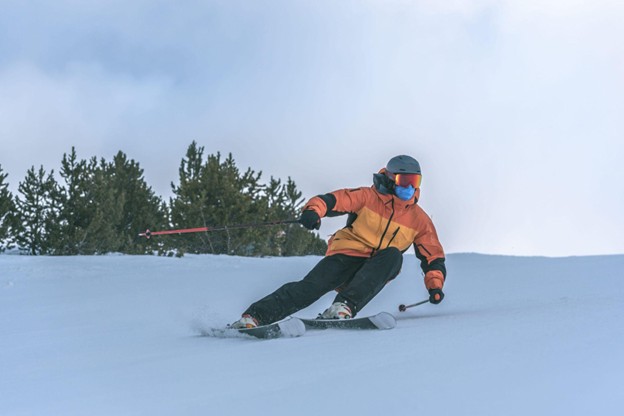
For many people, travel is often associated with sunshine, beaches, and warm-weather escapes. Orlin Damianov demonstrates how colder environments offer a deeper, more challenging, and ultimately more rewarding experience, where the outdoors becomes something to engage with rather than avoid.
For those who regularly step into these conditions, cold weather is not a limitation but an essential part of the experience. It demands greater awareness, preparation, and resilience, transforming travel into something more immersive and intentional.
Cold-weather adventures require more from both the body and the mind. That extra effort and exposure to the elements often create a stronger sense of accomplishment compared to more comfortable summer trips, reinforcing a deeper connection with the environment and the experience itself.
The Effort Factor Changes Everything
One of the biggest differences between cold- and warm-weather travel is the level of effort required. In summer, access is easy, roads are clear, conditions are predictable, and comfort is almost guaranteed.
Cold weather introduces:
- The need for layered clothing and proper gear
- Increased physical effort in snow or icy conditions
- More planning around weather and safety
- Limited accessibility in certain locations
Because of this, simply reaching a destination in winter often feels like an achievement in itself. The journey becomes more intentional, and that effort adds value to the overall experience.
A Stronger Sense of Reward
The reward of any experience is often tied to the challenge behind it. Cold-weather adventures naturally create that challenge.
After pushing through:
- Freezing temperatures
- Difficult terrain
- Unpredictable conditions
Even simple moments like reaching a viewpoint or finishing a trail feel significantly more satisfying. The contrast between discomfort and accomplishment makes the experience more memorable.
Less Crowd, More Space
Summer travel tends to attract larger crowds. Popular destinations become busy, and experiences can feel shared rather than personal.
Cold weather changes that dynamic:
- Fewer people in outdoor spaces
- More quiet and isolation
- Greater opportunity to experience environments without interruption
- A stronger sense of connection with surroundings
This fosters a more immersive experience, transforming the environment from a mere destination into something to fully absorb.
Heightened Awareness of the Environment
Cold conditions naturally sharpen focus. When temperatures drop, awareness increases both for safety and for movement.
This leads to:
- Greater attention to terrain and footing
- Awareness of weather changes and surroundings
- A more deliberate pace of movement
- Stronger engagement with the environment
In contrast to the relaxed nature of summer trips, winter experiences demand presence. This heightened awareness often makes moments feel more vivid and real.
The Mental Reset of Cold Environments
Cold weather has a unique way of clearing mental clutter. The simplicity of focusing on movement, warmth, and direction removes distractions.
Such an environment creates:
- A break from routine and digital noise
- A focus on immediate physical experience
- A sense of clarity that comes from minimalism in action
- A stronger connection between mind and environment
For many, this experience becomes one of the most valuable aspects of winter travel.
Physical Challenge Builds Resilience
Cold weather adventures are physically demanding in ways that summer trips often are not. Moving through snow, maintaining body temperature, and navigating conditions all require additional effort.
These challenges help build:
- Endurance and strength
- Mental toughness in uncomfortable situations
- Confidence in handling unpredictable conditions
- A greater appreciation for physical capability
Over time, this contributes to a stronger overall sense of resilience.
Unique Visual and Sensory Experience
Winter landscapes offer an entirely different visual experience compared to summer. Snow-covered terrain, frozen surfaces, and muted color palettes create a distinct atmosphere.
This includes:
- Cleaner, more minimal visual environments
- A quieter soundscape due to snow absorption
- Sharper contrasts between light and shadow
- A sense of stillness that is rarely found in warmer seasons
These elements create a more immersive and often more memorable setting.
Preparation Becomes Part of the Experience
In cold-weather travel, preparation is not optional; it is part of the process. Planning gear, routes, and timing becomes a critical component of the trip.
This process adds:
- A sense of intentionality to the experience
- Greater appreciation for successful execution
- Increased awareness of conditions and limitations
- A deeper connection to the journey as a whole
The preparation itself becomes a meaningful part of the adventure.
Why Comfort Isn’t Always the Goal
Summer travel often prioritizes comfort, warm temperatures, easy access, and relaxation. While enjoyable, such travel can sometimes reduce the sense of challenge.
Cold weather shifts the focus:
- From comfort to capability
- From ease to effort
- From routine to adaptation
This change in mindset is what makes winter experiences feel more impactful.
Final Thoughts
Cold-weather adventures aren’t for everyone, but they offer a depth that’s hard to find in more comfortable conditions. The added effort, reduced distractions, and heightened awareness all contribute to a more meaningful experience.
By stepping into environments that demand more, travelers often discover that the reward is not just in reaching the destination but in everything it takes to get there